
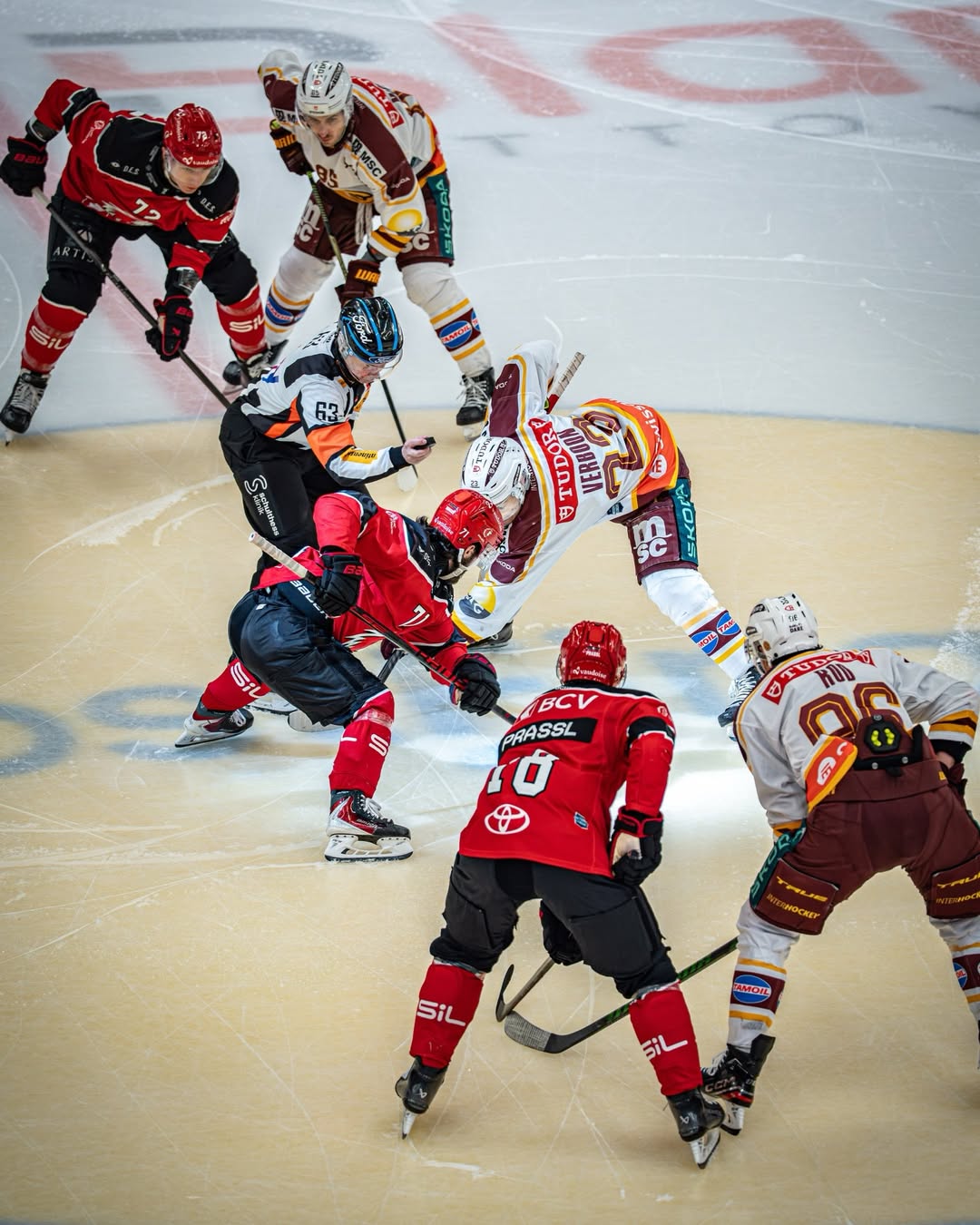
In Switzerland, sponsorship is a mature, demanding and increasingly rational market. From Zurich to Geneva, Bern to Lugano, brands no longer write a check for a medal, they invest in an audience, a narrative and measurable activation. The result: world-class athletes see their contracts stagnate while less decorated profiles capture six-figure budgets simply because they have built a real personal brand.
This article details the method we use at Birdy to help individual athletes, clubs and academies across Switzerland turn their image into sustainable sponsor revenue.
Why so many athletes leave money on the table
Four symptoms come up in almost every file we take over.
Blurry image. You perform, you win, but when a sponsor describes you in one sentence, they stumble. Without clear positioning, you are interchangeable with ten other profiles in the same sport. Nearly three out of four athletes we audit have no formalised brand positioning.
Sponsors that walk away. Contracts get signed but not renewed. The reason is almost always the same: no activation during the season and no reporting at the end. Without proof of return, the sponsor moves the budget elsewhere. One partnership in two is not renewed for these reasons.
Amateur content. Your Instagram posts are shot on a phone, badly framed, with no art direction. The problem is not aesthetic, it is commercial. A sponsor looking at your feed sees the production level they can expect for their own co-branded content, and adjusts their offer accordingly.
Undervalued contracts. Without a structured sponsor deck, audience data or market benchmarks, you negotiate blind. Most athletes we work with were signing fees 30 to 40 percent below their real market value.
The 4 pillars of image management that converts
Our approach rests on four complementary pillars. They work together. Remove one and the whole economics break down.
1. Image, the brand foundation
Before any production, you need an athlete brand platform: clear positioning (what makes you different), a value system (what you stand for), a visual territory (colours, typography, tone) and a promise to sponsors (what they actually buy when they sign with you). Without this foundation, everything else is cosmetic. A Vaud-based cyclist we worked with moved from a generic "professional rider" positioning to that of an extreme-endurance specialist, which immediately unlocked partnerships with nutrition and outdoor equipment brands.
2. Content, daily proof
Once the brand is set, you produce. Quarterly photo shoots, video capture in competition and training, short reels for Instagram and TikTok, behind-the-scenes for LinkedIn and X. The goal is not to publish a lot, it is to publish well, with a production level that reassures brands. In Swiss hockey, the signal is clear: National League players from ZSC Lions, SC Bern, Lausanne HC, Genève-Servette or Fribourg-Gottéron who invest in real production win contracts with watch, banking or insurance brands, while teammates without content stay on equipment-only deals.
3. Sponsoring, the commercial engine
This is where most athletes fail, because they confuse visibility with sales. A professional sponsor deck, a targeted prospecting file, a structured follow-up sequence and real negotiation make the difference between a great athlete with no sponsors and an average athlete with a solid partner portfolio.
4. Activation, the sponsor's return
Once signed, the partner expects content, events, public appearances and data. Activation turns a one-shot contract into a multi-year relationship. It is also what justifies a fee increase at every renewal.
The sponsor deck that changes everything
The sponsor deck is the central commercial tool. A strong deck runs 12 to 16 pages and always contains the same blocks.
- Who you are, in one page, with a clear promise for the brand.
- Your record and your 24-month sporting projection.
- Your audience, with detailed data per platform (volume, engagement, demographics, geography).
- Your values and expression territories, to help the brand project itself.
- Your proposed activation formats, with concrete visual examples.
- Partnership levels and matching prices, no fog.
- Your current and past partners, as social proof.
Classic mistakes we systematically fix: putting the record on page 1 (the sponsor does not care, they want ROI), forgetting audience demographics, not giving a price (the sponsor goes shopping elsewhere), promising "bespoke" with no grid (they cannot compare).
Our 5-step method
We always follow the same sequence, because it works.
- First meeting. We discuss your background, your sporting and commercial ambitions, your calendar constraints.
- Strategy. Brand platform, positioning, 12-month action plan, production budget.
- Production. Photo shoots, video capture, content, monthly editorial deployment on the relevant networks.
- Sponsor pitch. Finalised deck, targeted prospecting of brands relevant to your territory, negotiation and signature.
- Monthly follow-up. Activation steering, partner reporting, continuous optimisation, renewal preparation.
Where it really works across Switzerland
A few sporting territories where Switzerland offers concrete opportunities, with hockey leading the pack.
- Hockey, National League (priority market). ZSC Lions and GCK Lions in Zurich, SC Bern, Lausanne HC, Genève-Servette, Fribourg-Gottéron, EV Zug, HC Davos. National audiences, very active watch and banking sponsors, fan base with strong purchasing power. The Swiss National League is one of the most commercially mature hockey markets in Europe outside the NHL.
- Football, Super League. FC Zürich, Young Boys, Servette FC, FC Basel, FC Lugano. Highly engaged regional audiences, regional sponsorship still under-exploited by the players themselves.
- Alpine skiing and freeride. Valais, Vaud, Graubünden, Bernese Oberland. Strong seasonality but high fees, watchmakers, automotive and tourism partners.
- Cycling and endurance. Riviera, Valais, Ticino. Spectacular playground, outdoor, nutrition and equipment brands very present.
- Tennis and athletics. A growing national market driven by media-friendly profiles and a strong school of Swiss champions.
How much it pays back
The investment budget varies according to your sporting level, commercial ambitions and desired production volume. We build every engagement bespoke, with no fixed price grid, because a junior athlete does not start with the same needs as an established professional or a club.
What does not vary is the return. A single well-negotiated sponsor partnership renewed over 3 years often represents CHF 30'000.- to CHF 150'000.- in revenue. The return on investment is therefore not a marketing question, it is a question of commercial structuring.
FAQ
I am a young athlete, is it too early? No, it is actually the best time. Building your brand early lets you arrive at the top level with an already loyal audience and sponsors who follow your progression.
My club and my personal sponsors, how do they fit together? Club contracts always frame image rights. Our work consists of activating your personal brand in the zones left free by the club, which is negotiated upstream.
What length of engagement? 12 months minimum to observe a real effect. Significant commercial results usually appear between months 6 and 12.
And image rights, contracts and taxation? We work with partner lawyers across Switzerland to secure sponsor contracts, image rights and tax structuring with cantonal specialists (Zurich, Vaud, Valais, Geneva, Bern, Ticino).
Going further
If you are an athlete, club director or agent and want to structure your image and sponsor revenue, let's talk.
Discover our detailed offer on athlete image management, or get in touch directly via our form. For a quick first read of your digital presence, the free digital audit takes less than 2 minutes.